The Importance of Nutrition for Addiction Recovery include repairing organ and tissue damage caused by substance use, restoring neurotransmitter balance, rebuilding gut health and the gut-brain connection, reducing cravings and relapse risk, stabilizing mood and managing withdrawal, supporting cognitive function, and establishing a foundation for long-term healthy habits.
Research shows that up to 85% of people with substance use disorders have inadequate diets, and the majority of patients entering treatment present with measurable nutritional deficiencies. Despite this, less than 7% of treatment centers use a registered dietitian nutritionist (RDN) as part of their clinical team. Chronic substance use depletes essential vitamins, amino acids, and minerals that the brain and body require to function — deficiencies that directly impair the same neurological systems that sobriety depends on.
Key Takeaways:
- Substance use depletes B vitamins, vitamin D, vitamin C, magnesium, zinc, and essential amino acids — all required for neurotransmitter production, organ repair, and immune function.
- Amino acids from protein-rich foods are the direct precursors to serotonin, dopamine, and GABA — the neurotransmitters most disrupted by addiction.
- Approximately 90% of the body’s serotonin is produced in the gut, making gut health restoration a neurological priority in recovery.
- Poor eating habits are independently associated with higher relapse risk; a person in recovery is more likely to relapse when nutritional deficiencies go unaddressed.
- People in recovery who consume diets rich in omega-3 fatty acids, vitamins, and minerals show a 20% improvement on cognitive tests.
- Mood disorders including depression and anxiety — documented in the majority of people with SUDs — are worsened by nutritional deficiency and improved by targeted dietary intervention.
- Nutrition education integrated into treatment programs is shown to support positive behavior change during recovery (Grant et al., 2004; Jeynes & Gibson, 2017).
1. Repairs Physical Organ and Tissue Damage

The first importance of nutrition for addiction recovery is that it provides the biological substrate for repairing the physical damage that substance use causes to vital organs. Alcohol disrupts the absorption of B vitamins, damages the stomach lining, and impairs the liver and pancreas — the organs responsible for digesting nutrients and regulating blood sugar. Opioids cause gastrointestinal dysfunction and appetite suppression; stimulants such as cocaine and methamphetamine accelerate cellular breakdown through oxidative stress.
Nutrient-dense foods provide the vitamins, minerals, antioxidants, and amino acids that cell repair depends on. According to MedlinePlus, nutrients supply the body with energy, provide the materials needed to build and maintain healthy organs, and support immune function — all of which are compromised in active addiction.
Key repair-focused nutrients and their food sources include:
- Vitamin C — antioxidant that fights cellular damage and supports detoxification; found in citrus, bell peppers, broccoli
- B-complex vitamins — essential for cellular energy production, organ function, and neurological repair; found in lean meats, eggs, leafy greens, fortified cereals
- Zinc — supports immune function and wound healing, commonly depleted in alcohol use disorder; found in oysters, beef, pumpkin seeds
- Lean protein — provides amino acids for muscle repair and organ tissue regeneration; found in chicken, fish, eggs, legumes
One study found that 70% of people with addiction suffered vitamin D deficiency and low levels of vitamin C, while 50% were deficient in iron or core vitamins during detox.
2. Restores Neurotransmitter Balance
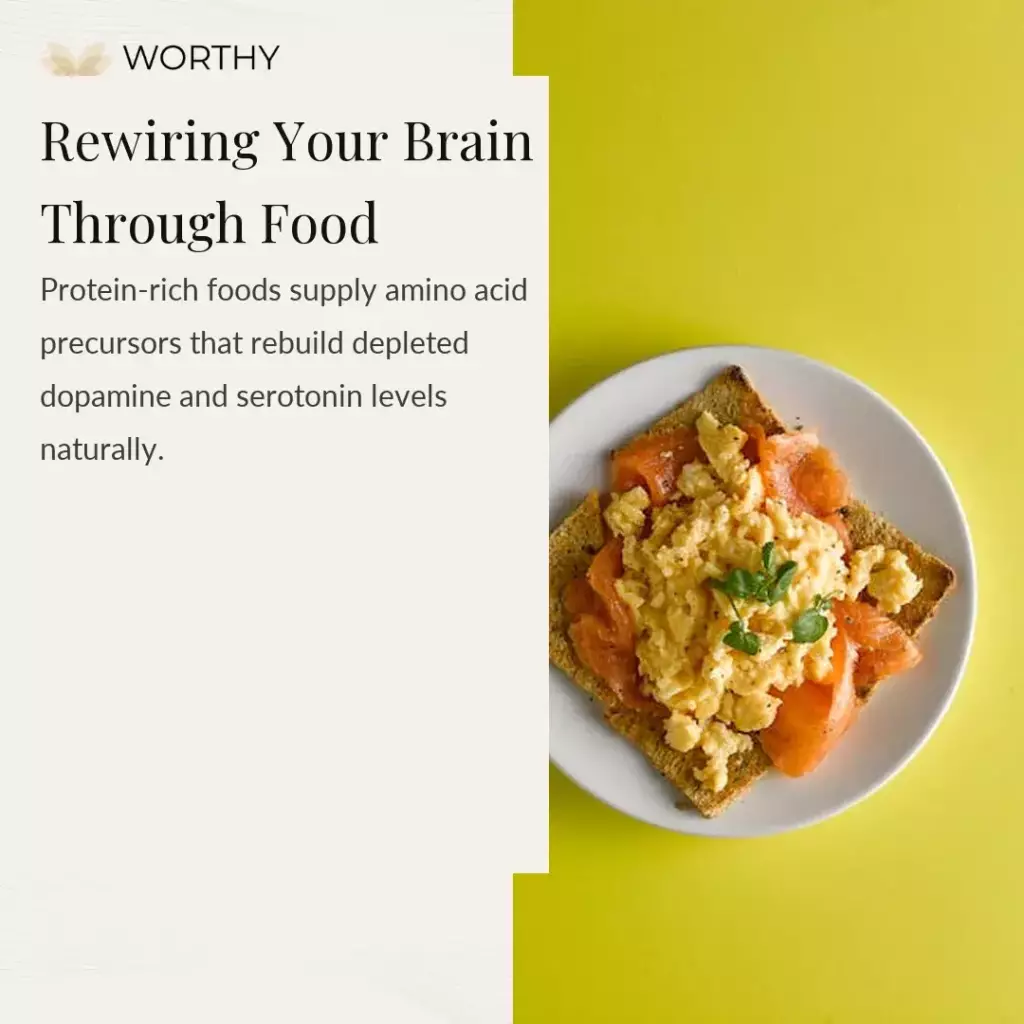
The second importance of nutrition for addiction recovery is that it restores the neurotransmitter systems that substance use disrupts. Serotonin, dopamine, GABA, and norepinephrine are the neurochemicals that regulate mood, motivation, impulse control, and emotional stability. Drugs and alcohol artificially stimulate their release over time, until the brain reduces its own production — leaving the individual in a neurochemical deficit at the start of recovery.
According to research published in MDPI Nutrients, neurotransmitters are synthesized in the brain from nutrient-derived precursors — primarily the amino acids found in protein-rich foods. When the diet lacks these precursors, the brain cannot produce adequate neurotransmitters, creating the mood instability, cravings, and behavioral dysregulation that drive relapse.
Key neurotransmitter-supporting nutrients include:
- Tryptophan → serotonin: Found in turkey, eggs, dairy, oat bran, tuna, lentils
- Tyrosine / phenylalanine → dopamine and norepinephrine: Found in lean beef, chicken, fish, bananas, whole grains
- L-glutamine → GABA: Found in bone broth, beef, fermented foods, leafy greens
- Choline → acetylcholine (memory and cognitive function): Found in eggs, liver, fish
- B6 (pyridoxine) — cofactor for serotonin, dopamine, and GABA synthesis: Found in chickpeas, tuna, salmon, potatoes
Research indicates that opiate-addicted patients given a combination of amino acids (phenylalanine, tryptophan, tyrosine, and glutamine) during detoxification show a significant reduction in opiate craving, according to the MDPI nutrition review.
3. Rebuilds Gut Health and the Gut-Brain Connection

The third importance of nutrition for addiction recovery is that it restores gut health — a system that directly controls neurotransmitter production and emotional regulation. Approximately 90% of the body’s serotonin is produced in the gut, not the brain. The gastrointestinal tract is home to trillions of microorganisms that synthesize the same neurotransmitters found in the brain, including serotonin, dopamine, and GABA. Substance use severely disrupts the gut microbiome — a condition called dysbiosis — which impairs neurotransmitter production, increases inflammation, and is associated with heightened anxiety, depression, and drug-seeking behavior.
Research published in MDPI confirms that disruptions in the gut microbiota induced by psychoactive substances are associated with alterations in the brain’s dopaminergic reward response. Ultra-processed foods — high in sugar, saturated fat, and additives — worsen dysbiosis and should be minimized during recovery.
Foods that restore gut microbiome health in recovery:
- Fermented foods (yogurt, kefir, kimchi, sauerkraut) — introduce beneficial bacteria that improve gut function and neurotransmitter signaling
- Prebiotic foods (garlic, onions, bananas, oats) — feed beneficial gut bacteria and maintain healthy intestinal environment
- Leafy green vegetables — support bacterial diversity and reduce gut inflammation
- Whole grains and fiber — promote regular bowel function and steady glucose release that stabilizes mood and energy
4. Reduces Cravings and Lowers Relapse Risk

The fourth importance of nutrition for addiction recovery is that balanced nutrition directly reduces cravings and lowers the neurological and behavioral conditions that drive relapse. According to MedlinePlus, a person in recovery is more likely to relapse when they have poor eating habits — in part because the brain confuses hunger signals with drug cravings, particularly during periods of low blood sugar.
Fluctuations in blood glucose — driven by high sugar intake common in early recovery — produce spikes and crashes that amplify restlessness, low mood, and cravings for the substance previously used to generate those dopamine surges. Stabilizing blood sugar through complex carbohydrates, lean protein, and dietary fat removes one of the primary neurochemical triggers for relapse.
Research from Utah State University Extension confirms that increasing consumption of fatty acids, B vitamins, zinc, and antioxidants enhances neurotransmitter signaling in the brain — directly reducing substance cravings and supporting behavior change during recovery. Foods that manage cravings include:
- Complex carbohydrates (oats, quinoa, brown rice, sweet potato) — maintain steady blood sugar and support serotonin production
- Omega-3-rich foods (salmon, sardines, walnuts, flaxseed) — reduce neuroinflammation and regulate dopamine, reducing craving intensity
- Magnesium-rich foods (leafy greens, nuts, seeds, dark chocolate) — regulate GABA and reduce anxiety, a primary craving trigger
- Protein-rich foods (eggs, poultry, legumes, Greek yogurt) — provide amino acids that restore dopamine, reducing the neurochemical need for substances
5. Stabilizes Mood and Supports Withdrawal Management
The fifth importance of nutrition for addiction recovery is that it stabilizes mood and reduces the severity of withdrawal symptoms. During early recovery, the brain is recalibrating its neurochemistry — a process that produces mood swings, anxiety, depression, irritability, and anhedonia (inability to feel pleasure) as the primary withdrawal challenges for most substances. These mood disruptions are among the most common precipitants of relapse.
Research confirms that nutrient deficiencies are directly complicit in the mood disorders observed in alcohol and drug use disorder. A review published in Drug and Alcohol Dependence found that poor nutritional status severely impacts both the physical and psychological health of individuals with substance use disorders, and may impede their ability to resist cravings and recover. Vitamin and mineral supplementation — particularly zinc, magnesium, and B-complex vitamins — is well-supported for addressing mood-related withdrawal symptoms, according to MDPI nutrition research.
Traditional diets rich in vegetables, fruits, whole grains, and seafood are associated with a 25–35% lower risk of depression compared to modern Western dietary patterns high in processed foods and added sugar. For individuals managing withdrawal-associated depression, this dietary gap has direct clinical relevance.
6. Supports Cognitive Function During Recovery
The sixth importance of nutrition for addiction recovery is that it rebuilds the cognitive function impaired by chronic substance use. Brain imaging studies confirm that substance use disrupts connectivity between the prefrontal cortex and other brain regions involved in decision-making, impulse control, memory, and attention — the precise cognitive systems needed to engage in therapy, learn coping skills, and maintain sobriety. Adequate nutrition supports neuroplasticity — the brain’s capacity to repair and reorganize neural connections.
Studies show that people in recovery who consume diets rich in omega-3 fatty acids, vitamins, and minerals experience a 20% improvement in performance on cognitive tests, according to the Discovery Institute. Dietary fat facilitates neuroplasticity by reducing neuroinflammation and protecting the integrity of brain cell membranes. Carbohydrates provide the primary fuel source for central nervous system function and serotonin production, while choline-rich foods support memory and cognitive processing impaired during active addiction.
Cognition-supporting foods in recovery:
- Fatty fish (salmon, sardines, mackerel) — omega-3 DHA supports brain membrane integrity and reduces neuroinflammation
- Eggs — choline content supports acetylcholine production, directly improving memory and cognitive clarity
- Blueberries and other antioxidant-rich fruits — reduce oxidative stress linked to neurocognitive impairment from substance use
- Leafy greens — folate and iron support neurological function and concentration
7. Establishes Healthy Habits That Support Long-Term Sobriety
The seventh importance of nutrition for addiction recovery is that structured, intentional eating creates the behavioral and neurological conditions that long-term sobriety requires. Addiction is characterized in part by the collapse of self-regulatory behavior — irregular schedules, impulsive decision-making, and neglect of basic physical needs. Establishing consistent mealtimes, making deliberate food choices, and learning to cook and prepare nutritious meals are practical behaviors that rebuild executive function, self-efficacy, and routine.
Research confirms that group-based nutrition classes and integrating nutrition concepts into recovery plans are effective ways for individuals in recovery to learn about proper nutrition and that this education is associated with better treatment program outcomes (Grant et al., 2004). Healthy eating also prevents addiction transfer — the common pattern in which one dependency (substances) is replaced by another (sugar, caffeine, processed foods) — which, if unaddressed, sustains the same reward-driven neurological pathways that substance use occupied.
Nutrition’s role as a long-term sobriety foundation includes:
- Routine building — regular mealtimes create daily structure that anchors other recovery behaviors
- Self-efficacy — consistently making nutritional choices reinforces the identity shift from active addiction to health-oriented recovery
- Cross-addiction prevention — replacing substance-driven dopamine rewards with nutritional wellness avoids trading one dependency for another
- Social connection — cooking and sharing meals provides a sober social activity that replaces substance-centered social contexts
Summary
Nutrition for addiction recovery is a clinically validated, multi-dimensional intervention — addressing physical repair, neurochemical restoration, gut health, cravings, mood, cognition, and long-term behavioral change simultaneously, making it one of the most impactful yet underutilized components of a comprehensive treatment plan.
At Worthy Wellness Center in Carlsbad, California, holistic addiction treatment integrates nutritional support alongside evidence-based therapies for substance use and co-occurring mental health disorders. If you or someone you know is navigating recovery, Worthy Wellness Center can help build a treatment plan that addresses the full scope of healing — including nutrition.
Frequently Asked Questions
Why is nutrition important in addiction recovery?
Nutrition is important in addiction recovery because substance use systematically depletes the nutrients the brain and body need to function. Deficiencies in B vitamins, amino acids, omega-3 fatty acids, magnesium, and zinc impair neurotransmitter production, organ repair, immune function, and mood regulation — all of which are required for sustained sobriety. Addressing these deficiencies through a structured diet accelerates physical and psychological healing and reduces the neurochemical conditions that drive relapse.
What nutrients are most depleted by addiction?
The most commonly depleted nutrients in addiction include B vitamins (B1, B6, B9, B12), vitamin C, vitamin D, magnesium, zinc, and essential amino acids. Alcohol specifically depletes thiamine (B1), which when severely deficient can cause Wernicke-Korsakoff syndrome, a serious neurological condition. Stimulants deplete dopamine precursors (tyrosine, phenylalanine), while opioids cause gastrointestinal dysfunction that impairs the absorption of multiple micronutrients.
How does poor nutrition increase relapse risk?
Poor nutrition increases relapse risk through multiple mechanisms: unstable blood sugar causes the brain to confuse hunger with drug cravings; low dopamine and serotonin from amino acid deficiency intensify withdrawal-related depression and anhedonia; gut dysbiosis from poor diet disrupts neurotransmitter production; and nutrient deficiencies worsen mood disorders that are among the most common relapse triggers. According to MedlinePlus, a person in recovery is more likely to relapse when they have poor eating habits.
What foods should people in addiction recovery eat?
People in addiction recovery should prioritize lean proteins (eggs, chicken, fish, legumes), complex carbohydrates (whole grains, vegetables, beans), omega-3 fatty acids (salmon, sardines, walnuts, flaxseed), fermented foods for gut health (yogurt, kefir, kimchi), and antioxidant-rich fruits and vegetables. These foods collectively provide the amino acids, vitamins, and minerals needed to restore neurotransmitter production, repair organ tissue, stabilize blood sugar, and reduce cravings.
What foods should people in addiction recovery avoid?
People in addiction recovery should minimize highly processed foods, refined sugars, excessive caffeine, and alcohol. Processed foods high in sugar and saturated fat worsen gut dysbiosis, spike and crash blood sugar, and deplete the same reward circuits that substance use exploited — increasing craving intensity. Excessive caffeine increases anxiety and disrupts sleep, both of which are relapse risk factors. Avoiding addiction transfer from substances to sugar or processed food intake is an important and often overlooked part of nutritional recovery.
Can nutrition replace clinical addiction treatment?
No. Nutrition is a critical component of a comprehensive addiction treatment plan, not a standalone intervention. Evidence-based treatments — including CBT, medication-assisted treatment where appropriate, group therapy, and dual diagnosis care — address the psychological, behavioral, and neurological dimensions of addiction that nutrition alone cannot resolve. Registered dietitian nutritionists are most effective as part of a multidisciplinary clinical team, not as a replacement for it.
How soon in recovery should nutrition be addressed?
Nutrition should be addressed as early as possible in recovery, ideally beginning during detox. According to Utah State University Extension, introducing healthy eating practices is often delayed until after withdrawal symptoms pass — but this represents a missed clinical opportunity. Early nutritional support during detox can reduce the severity of withdrawal symptoms, accelerate physical stabilization, and establish the dietary habits that the subsequent phases of recovery build on.
Sources:
- MedlinePlus — Substance Use Recovery and Diet
- Utah State University Extension — Diet, Nutrition, and Substance Use Disorder
- MDPI — Importance of Nutrition Care During the Addiction Recovery Process
- PubMed / Jeynes & Gibson (2017) — The Importance of Nutrition in Aiding Recovery from SUDs
- Discovery Institute — Nutrition and Addiction Recovery
- Unidine — The Role of Nutrition in Substance Abuse Recovery
- Grant et al. (2004) — Nutrition Education is Positively Associated with Substance Abuse Treatment Program Outcomes. Journal of the American Dietetic Association